
Coconut Sugar: A Complete Guide for Home Cooks
Everything you need to know about coconut sugar , taste, nutrition, how it compares to brown sugar, and the best ways to use it in your cooking and baking.
Coconut Sugar: A Complete Guide for Home Cooks
Coconut sugar has steadily moved from health food shops into mainstream kitchens , and for good reason. It offers a rich, caramel-like sweetness that works beautifully in both cooking and baking, with a nutritional profile that sets it apart from refined white sugar. But there's a lot of confusion about what coconut sugar actually is, how it tastes, and whether it's genuinely a better choice.
This guide covers everything you need to know.
What Is Coconut Sugar?

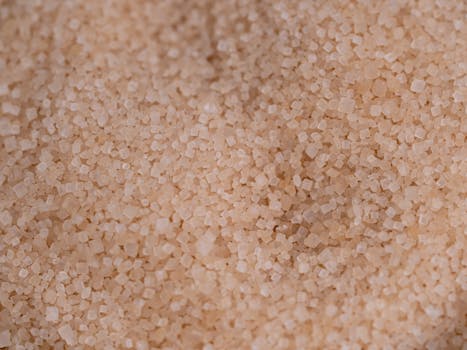
Coconut sugar is made from the sap of coconut palm flower buds. Farmers climb the trees, tap the flower stems, and collect the nectar in containers. This sap is then gently heated until the moisture evaporates, leaving behind golden-brown granules.
Important: Coconut sugar does not taste like coconut. If you're expecting a tropical coconut flavour, you'll be surprised. The flavour is closer to caramel or butterscotch, with a subtle molasses depth.The production process is simple and traditional , no heavy refining, no bleaching, no chemical processing. This is part of what makes coconut sugar appealing to cooks who prefer minimally processed ingredients.
Coconut Sugar vs Brown Sugar
This is the comparison most people want to understand, so let's break it down clearly.
| | Coconut Sugar | Brown Sugar |
|---|---|---|
| Source | Coconut palm sap | Refined cane sugar + molasses |
| Glycaemic Index | ~35 (low) | ~65 (medium-high) |
| Processing | Minimal , evaporated sap | Heavily refined, then molasses added back |
| Flavour | Rich caramel, toffee notes | Sweet with mild molasses flavour |
| Minerals | Contains iron, zinc, potassium | Trace amounts only |
| Colour | Golden to dark brown | Light to dark brown |
The glycaemic index (GI) difference is notable. Coconut sugar's lower GI means it causes a slower, more gradual rise in blood sugar compared to brown sugar. This makes it a popular choice for people managing their sugar intake or looking for steadier energy throughout the day.
That said, coconut sugar is still sugar. It contains roughly the same number of calories as other sugars, and it should be used in moderation like any sweetener.
How Does It Taste?
Coconut sugar has a complex sweetness that many cooks find more interesting than regular sugar. The dominant notes are:
- Caramel , Rich, warm, and rounded
- Toffee , A slight butterscotch quality
- Molasses , A faint dark, earthy undertone
It's less one-dimensionally sweet than white sugar, which is why it works so well in recipes where you want depth of flavour , think brownies, flapjacks, granola, and spiced cakes.
How to Use Coconut Sugar in Cooking
Baking
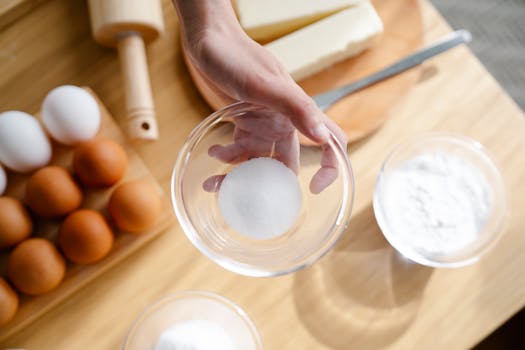
Coconut sugar can replace brown sugar at a 1:1 ratio in most recipes. The results will be slightly darker in colour and richer in flavour, which is usually a welcome change.
For recipes that call for white sugar, you can substitute coconut sugar, but be aware that:
- The colour of your bake will be darker
- The flavour will be more caramel-forward
- The texture may be very slightly different, as coconut sugar has less moisture than brown sugar
Savoury Cooking
Coconut sugar is excellent in:
- Stir-fries , Adds a subtle caramel glaze
- Marinades , Pairs brilliantly with soy sauce, ginger, and chili
- Curries , A pinch balances heat and acidity
- Salad dressings , Dissolves well in vinaigrettes
Hot Drinks
Stir coconut sugar into coffee, tea, or hot chocolate for a richer sweetness. It dissolves well in hot liquids and adds a caramel note that complements milk-based drinks particularly well.
Choosing Quality Coconut Sugar
Not all coconut sugar is equal. Cheaper versions may be blended with cane sugar or heavily processed, stripping out the natural minerals and flavour complexity. When shopping, look for:
- 100% coconut palm sugar on the ingredients list , nothing else
- Unrefined or minimally processed labelling
- Dark golden colour , Very light coconut sugar may have been processed more heavily
- Origin information , The best coconut sugar comes from Southeast Asia, particularly Sri Lanka, Indonesia, and the Philippines
Our Coconut Sugar is sourced from traditional coconut farms in Sri Lanka's coastal lowlands. It's produced using time-honoured methods , hand-tapped sap, slow evaporation, no additives , resulting in a rich, full-flavoured sugar with all its natural minerals intact.
Storage Tips
Coconut sugar should be stored in an airtight container in a cool, dry place. It can harden over time if exposed to moisture. If it clumps, simply break it apart with a fork or briefly pulse it in a food processor.
Properly stored, coconut sugar keeps its flavour and quality for up to two years.
Worth the Switch?
If you enjoy cooking with natural, minimally processed ingredients and appreciate complex flavours over one-note sweetness, coconut sugar is a worthwhile addition to your kitchen. It won't replace every use of regular sugar, but for baking, marinades, and hot drinks, it brings something genuinely special.
Try our Coconut Sugar , unrefined, naturally rich, and sourced from Sri Lankan coconut palms.