
Understanding Chili Heat: A Beginner's Guide
Learn how chili heat works, from the Scoville scale to different chili powder types. A practical guide to choosing and using chili with confidence.
Understanding Chili Heat: A Beginner's Guide
Chili is one of the most exciting ingredients in any kitchen , but it's also one of the most intimidating for beginners. How hot is too hot? What's the difference between chili flakes, chili powder, and cayenne? And what on earth is the Scoville scale?
If you've ever been nervous about adding chili to a dish, this guide will give you the confidence to use it well. Because when you understand how heat works, you can control it , and that changes everything.
What Makes Chillies Hot?
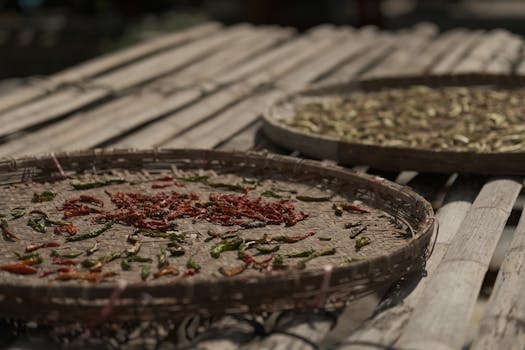
The heat in chillies comes from a group of chemical compounds called capsaicinoids, the most prominent being capsaicin. Capsaicin triggers pain receptors on your tongue, which your brain interprets as heat. The more capsaicin a chili contains, the hotter it feels.
Interestingly, capsaicin doesn't actually cause any physical damage , it's a sensation, not a burn. This is why the heat fades after a few minutes and why your tolerance increases with regular exposure.
Where the heat lives
Most of the capsaicin is concentrated in the white pith (the inner membrane) and the seeds of the chili, not the flesh. This means you can reduce the heat of any fresh chili by removing the seeds and pith before cooking.
The Scoville Scale Explained
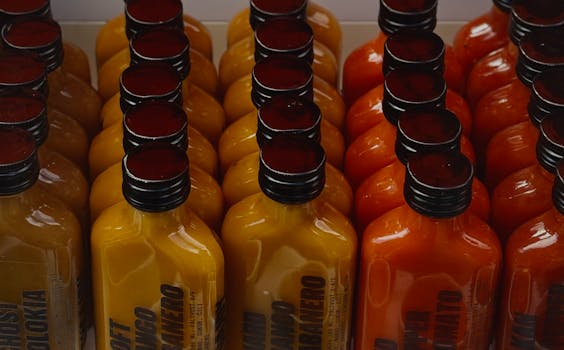
The Scoville Heat Unit (SHU) scale is the standard measurement for chili heat. Developed by pharmacist Wilbur Scoville in 1912, it measures the concentration of capsaicin in a given chili variety.
Here's a practical reference:
| Chili Variety | Scoville Heat Units (SHU) | Heat Level |
|---|---|---|
| Bell pepper | 0 | None |
| Paprika | 100, 1,000 | Very mild |
| Poblano | 1,000, 2,000 | Mild |
| Jalapeño | 2,500, 8,000 | Medium |
| Serrano | 10,000, 25,000 | Medium-hot |
| Cayenne | 30,000, 50,000 | Hot |
| Bird's eye chili | 50,000, 100,000 | Very hot |
| Scotch bonnet / Habanero | 100,000, 350,000 | Extremely hot |
| Carolina Reaper | 1,400,000, 2,200,000 | Nuclear |
For context, most everyday cooking uses chillies in the mild to medium-hot range. You don't need extreme heat to make delicious, flavourful food.
Types of Chili Products
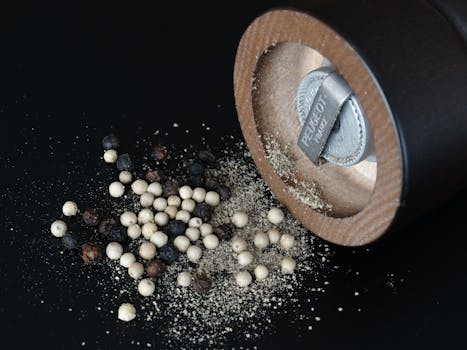
Understanding the different forms of chili available will help you choose the right one for each dish.
Chili Powder
Ground dried chillies , this is the most versatile form for everyday cooking. The heat level and flavour depend entirely on which chillies are used. Our Fire Chili Powder is made from Sri Lankan dried chillies, delivering a clean, building heat with a subtle fruity sweetness underneath.
Best for: Curries, stews, soups, spice rubs, marinadesChili Flakes (Crushed Red Pepper)
Dried chillies that have been roughly crushed, including seeds. Flakes provide a coarser texture and a more immediate hit of heat compared to powder. They're popular as a finishing garnish.
Best for: Pizza, pasta, stir-fries, roasted vegetables, finishing dishesCayenne Pepper
A specific type of ground chili made from cayenne chillies. It's hotter than most generic chili powders and has a straightforward, sharp heat without much complexity.
Best for: When you want pure heat without additional flavour notesChili Blends
Blends combine chili with complementary ingredients , garlic, herbs, spices , for a more complex flavour profile. Our Chili Garlic Mix pairs Sri Lankan chili with roasted garlic for a versatile blend that adds both heat and savoury depth.
Best for: Quick seasoning, marinades, stir-fries, dipping saucesFresh Chillies
Fresh chillies offer a brighter, more vibrant heat than dried. Green chillies tend to be sharp and grassy; red chillies are often sweeter and more rounded.
Best for: Salsas, fresh garnishes, Thai and Mexican cookingHow to Control Heat in Your Cooking
Start low, build gradually
The golden rule. You can always add more chili, but you cannot take it away. Begin with half the amount you think you need, taste, and adjust.
Add chili at different stages
- Early in cooking , The heat mellows and integrates into the dish
- Late in cooking or as a garnish , The heat is more pronounced and immediate
Balance heat with other flavours
If a dish becomes too hot, don't panic. These ingredients help counteract excessive heat:
- Dairy , Yoghurt, cream, or coconut milk neutralise capsaicin
- Sugar or sweetness , A pinch of sugar, honey, or coconut sugar
- Acid , Lime juice, vinegar, or tomatoes
- Fat , Butter, oil, or coconut cream
Know your audience
If you're cooking for others, err on the side of caution and offer extra chili on the side. Heat tolerance varies enormously between individuals, and what feels pleasantly warm to you might be overwhelming for someone else.
Building Your Chili Confidence
The best way to understand chili is to experiment regularly. Here are some low-risk starting points:
- Add a quarter teaspoon of chili powder to a pot of soup or chili con carne
- Sprinkle chili flakes over roasted vegetables before serving
- Mix a little Chili Garlic Mix into a stir-fry sauce or salad dressing
- Make a simple dipping sauce with olive oil, chili flakes, and a squeeze of lemon
As you cook with chili more often, your palate will adapt and you'll develop an instinct for how much to use. Most people find that their tolerance , and enjoyment , steadily increases over time.
A Note on Quality
Cheap chili powders often taste one-dimensional , just heat, with no depth or character. Quality chili powder, made from properly dried and ground whole chillies, brings genuine flavour alongside the fire. You should taste fruity, smoky, or sweet notes, not just a burning sensation.
Our Fire Chili Powder is ground from single-origin Sri Lankan chillies, selected for their balance of heat and flavour. It's the kind of chili powder that makes you want to add chili to everything.
Ready to explore? Try our Fire Chili Powder and Chili Garlic Mix , flavourful heat from Sri Lanka, crafted for cooks who want more than just fire.